Why Won't My Wound Heal? 6 Reasons Wounds Stall
A healthy wound follows a predictable path. It is inflamed for a few days, builds new tissue over a week or two, and then closes. Most cuts, scrapes, and surgical incisions are well on their way within three to four weeks.
When a wound is still open after that, it is considered chronic. A chronic wound is not simply a wound that needs more time. It is a wound where something is actively blocking the normal healing process. The good news is that the blockers are usually identifiable and treatable.
What counts as a stalled wound
A wound has likely stalled if any of the following are true:
- It has been open for more than four weeks with little change.
- It looked better, then plateaued or got worse.
- It keeps reopening after it appears to close.
- The skin around it is dark, hardened, or weepy.
None of these mean the wound cannot heal. They mean it needs a closer look.
Six common reasons wounds stall
1. Poor circulation
Healing tissue needs a steady supply of oxygen-rich blood. When arteries are narrowed or veins are not draining properly, the wound bed is starved of what it needs to rebuild. Leg and foot wounds are especially vulnerable. Compression therapy, vascular evaluation, and treating the underlying circulation problem are often what move these wounds forward.
2. Infection
Bacteria in a wound bed compete with healing tissue and keep the wound locked in the inflammation stage. Increasing pain, spreading redness, warmth, odor, or a change in drainage are all signs that infection may be present. Infected wounds usually need targeted cleaning, and sometimes antibiotics, before they can progress.
3. Ongoing pressure or friction
A wound cannot rebuild tissue that is being crushed or rubbed every day. Pressure ulcers over the heels, hips, and tailbone are the clearest example, but any wound under a shoe, a brace, or body weight faces the same problem. Offloading the area, with cushioning, special footwear, or repositioning, is often the single most important step.
4. Uncontrolled blood sugar
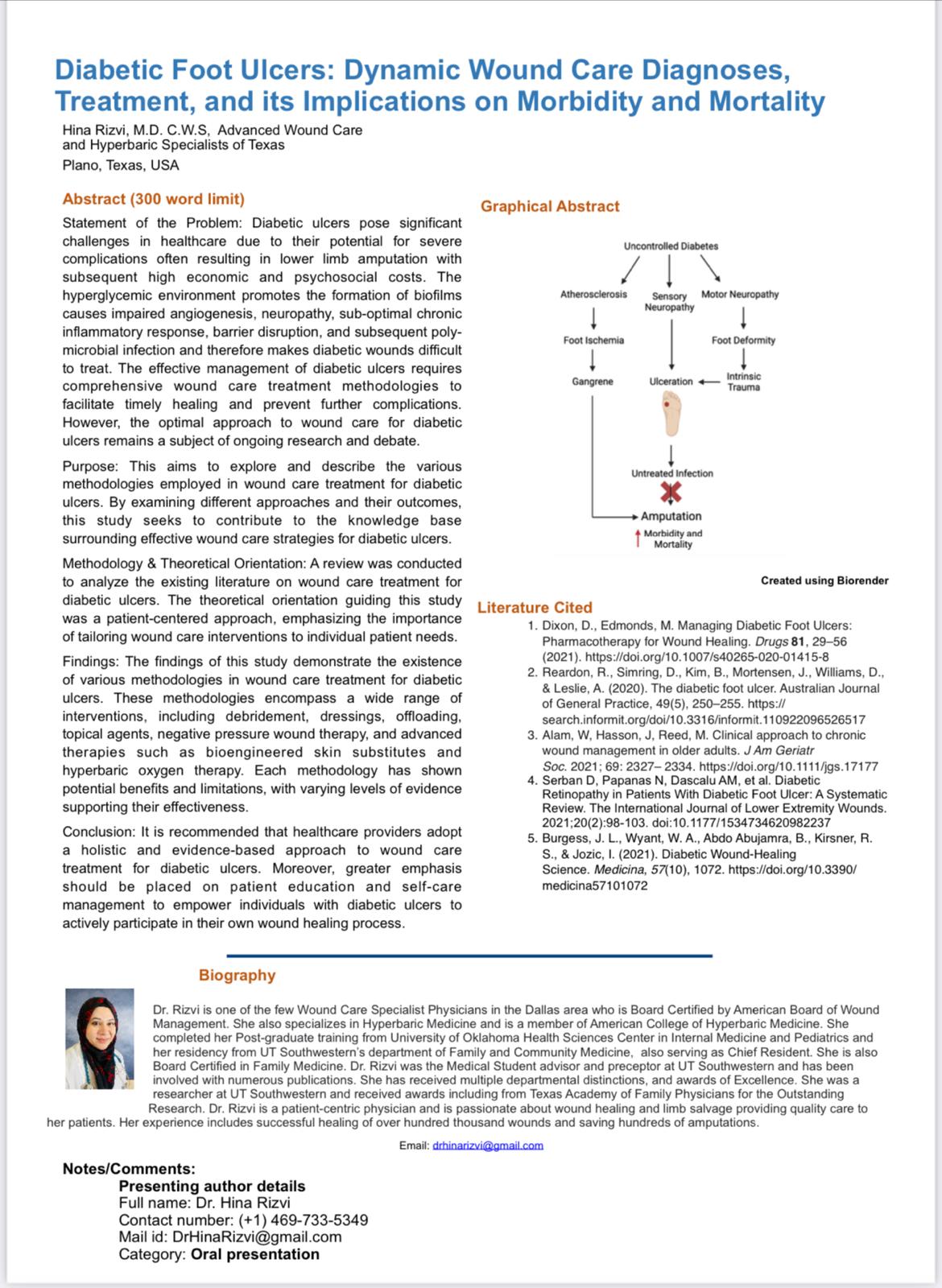
High blood sugar slows nearly every part of wound repair. It weakens the immune cells that clear bacteria, stiffens small blood vessels, and dulls the nerve signals that would normally warn of injury. Bringing glucose into a healthier range, alongside wound care, makes a measurable difference in how quickly a wound closes.
5. Poor nutrition
Rebuilding skin is a construction project, and the body needs raw materials. Protein, vitamin C, zinc, and adequate calories all feed new tissue. Older adults and people with reduced appetite are at real risk here. A simple change in diet, or a short course of supplements, can unstick a wound that looked stubborn.
6. Dead tissue in the wound bed
Healthy pink tissue cannot grow over yellow, gray, or black dead tissue. That dead tissue also shelters bacteria. Removing it, a process called debridement, exposes a clean wound bed and is one of the most reliable ways to restart healing.
When to see a wound care specialist
Contact a wound care specialist if a wound has been open longer than four weeks, is getting larger, is increasingly painful, or shows the signs of infection described above. You should also seek care sooner rather than later if you have diabetes, poor circulation, or a weakened immune system, because wounds in these situations can change quickly.
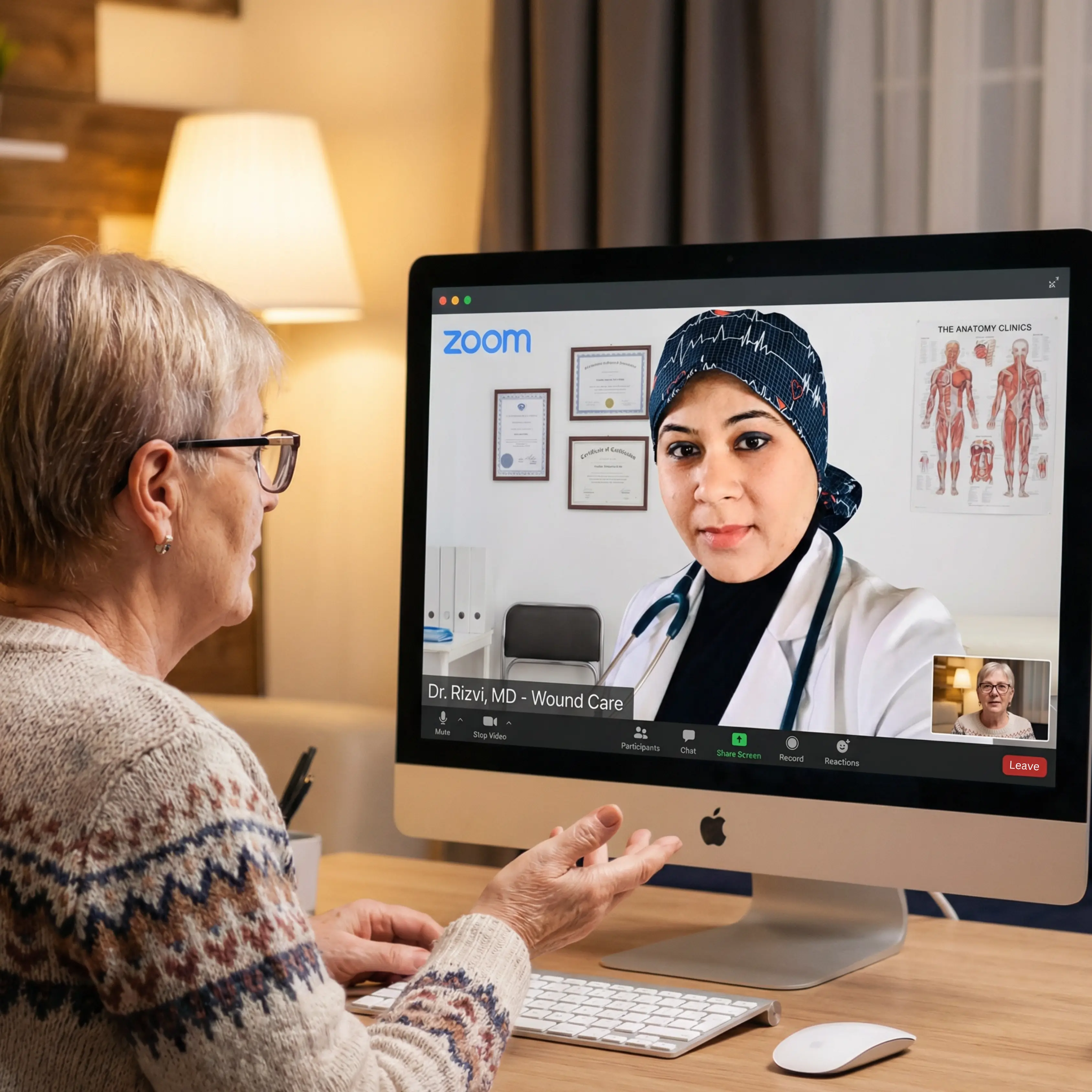
At Dr. Rizvi Wound Care, evaluation includes identifying which of these blockers is in play and building a treatment plan around it. Same-day and next-day appointments are available at the Plano clinic, and telemedicine visits are available for patients across Texas. A wound that has not moved in a month is not a wound that needs more patience. It is a wound that needs a plan.
Reviewed and authored by Dr. Hina Rizvi, M.D, C.W.S on April 22, 2026
About the Author
Dr. Hina Rizvi, M.D, C.W.S
Board Certified Wound Care Specialist · Dr. Rizvi Wound Care · Plano, TX
Dr. Hina Rizvi is a board-certified wound care specialist with 16+ years of experience and 100,000+ wounds healed. She treats diabetic foot ulcers, venous ulcers, gangrene, pressure ulcers, lymphedema, osteomyelitis, and complex non-healing wounds at her Plano clinic and via bedside-mobile visits across the DFW metroplex. Same/next-day appointments; most insurance and Medicare accepted.
This article is for general patient education and is not a substitute for individualized medical advice. If you have a non-healing wound or a medical concern, please contact our office or your physician for evaluation.